






Our Leadership
Ipas advances feminist leadership by shifting power to local leaders and systems, delivering intersectional, long-term change that donors can trust and scale.
To fully harness the collective power of our global network, Ipas practices shared leadership—a broad distribution of authority and responsibility that moves decision-making power to staff and leaders who work closest to the people we serve.
Our feminist leadership structure reflects our commitment to working in a way that upholds our values—with a focus on equity, accountability and shifting power. This is one reason why your investment in Ipas helps ensure lasting, country-owned change.
Learn more about why we practice shared leadership.
Network Leadership Team
Our Network Leadership Team consists of a Senior Leadership Team and Network Leadership Group that collaborate with the Ipas Board of Directors to manage governance of our global network.
Senior Leadership Team


Network Leadership Group
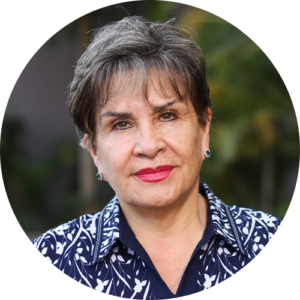
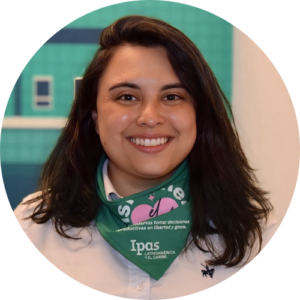
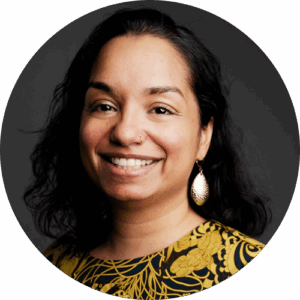
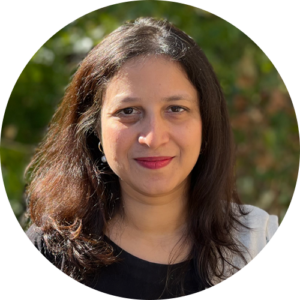
The Network Leadership Group is the highest-level staff management body for Ipas. Made up of five members—two from Africa, one from Asia, one from Latin America, and one from the United States—this group is responsible for collaborating with the Senior Leadership Team to set overall strategy and standards for the network. Members serve two-year terms.





Country and Regional Directors
The directors of our locally led country and regional teams provide leadership, oversight and strategic guidance as they work with Ipas staff and partners to expand access to abortion and contraception in countries around the world. Their diverse skills, experience and local knowledge are essential to drive our work forward.





Staff Community Council
Our Staff Community Council, made up of 18 staff members, advises the Network Leadership Group and serves as a “check and balance” to ensure that staff voices are heard and acted upon with respect to network policies and processes. Council members are non-managerial staff who serve three-year terms and are chosen through a network-wide selection process.
Five years from now, who will be setting the global health agenda? (BMJ Global Health)
Shaping a post-colonial INGO (Medium)
It’s time to face the facts: We have a gender and diversity problem in the nonprofit world (Forbes)
White supremacy in global health (Think Global Health)