







Our work began in 1973, with the provision of life-saving reproductive health technology for health systems in several countries. Since then, we have experienced amazing growth and change as an organization, but our singular commitment to expand access to legal abortion has remained constant. Why? Because access to abortion is necessary to ensure reproductive justice for all.
Abortion is essential health care to which everyone has a right. But not everyone has access. Each year, 35 million people around the world resort to having an abortion with unsafe methods. Thousands die, and millions suffer preventable injuries as a result. Due to global health inequities, almost all these people are Black or brown and live in low- and middle-income countries. We must ensure that all people have bodily autonomy and can access the essential health care they need.
Today, Ipas works on five continents with a comprehensive approach that centers the needs of those who seek legal abortion care. We build sustainable abortion ecosystems that address all factors impacting a person’s ability to access abortion—from individual health knowledge, to social and community support, to a trained health workforce, to political leadership and supportive laws. We train providers and work with health systems to ensure accessible, high-quality legal abortion services—including the right and ability to self-manage an abortion with pills. We conduct research with the goal of turning policy into practice. We also partner with local organizations to educate communities on reproductive health and rights, to advocate for legal abortion, and to support local champions for reproductive justice.
Resist and Persist
How Ipas will meet the changing global health landscape
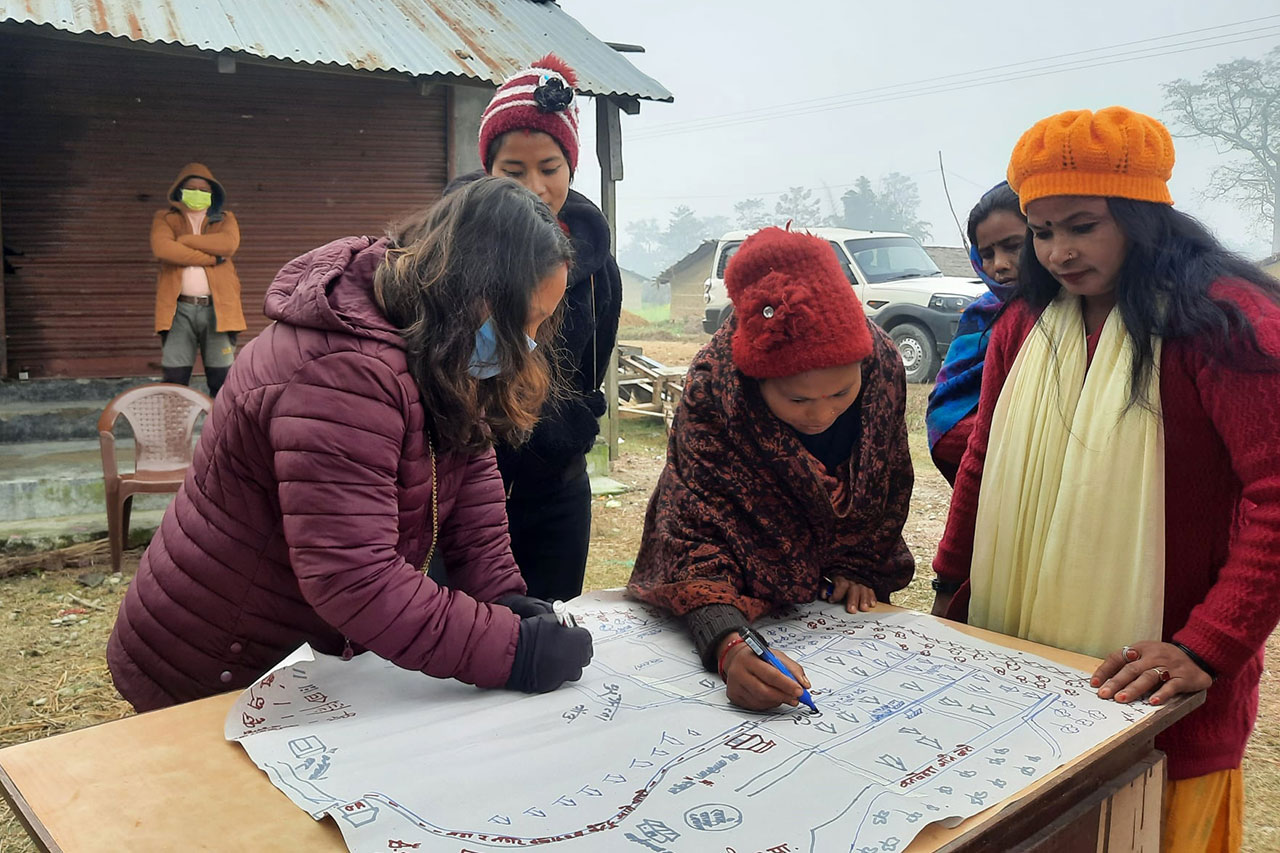
Ipas Nepal
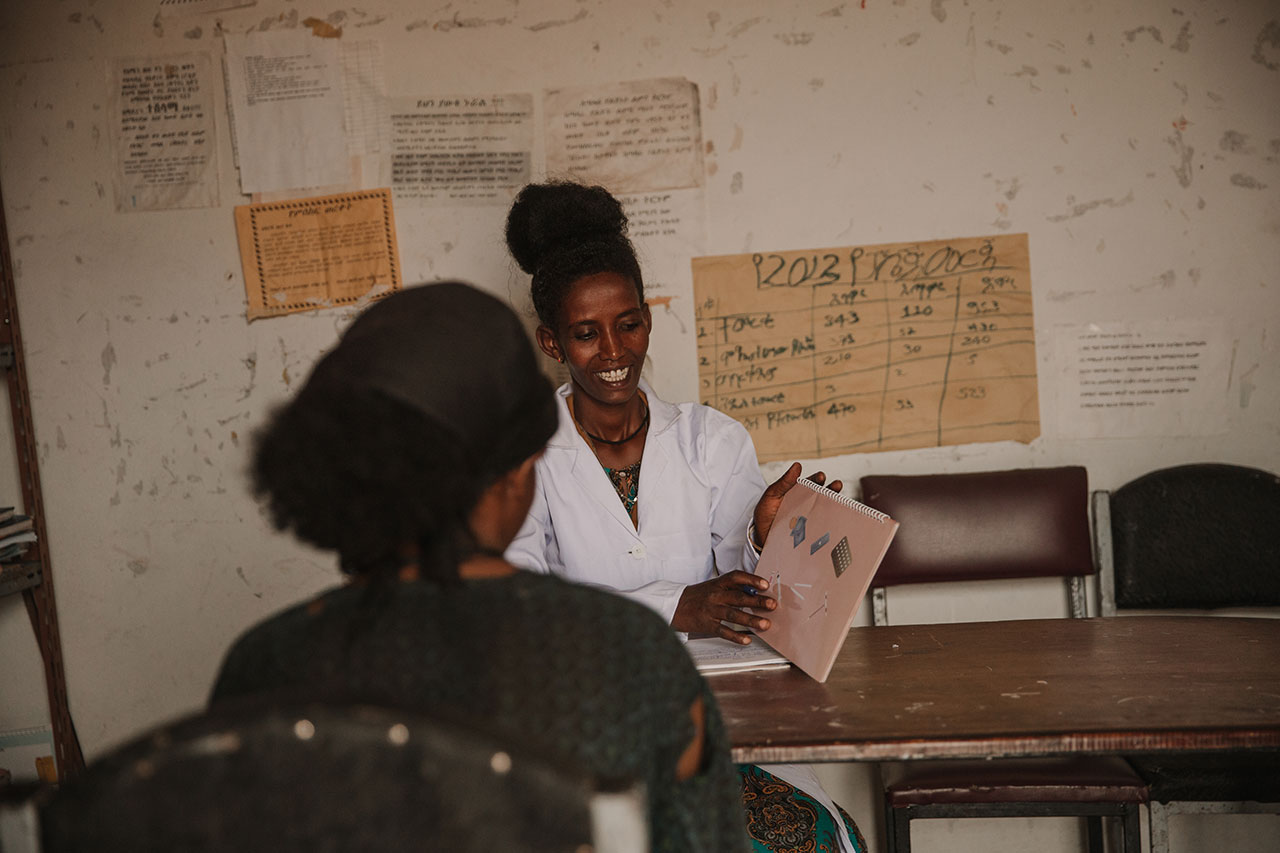
Photo by Martha Tadesse for Ipas
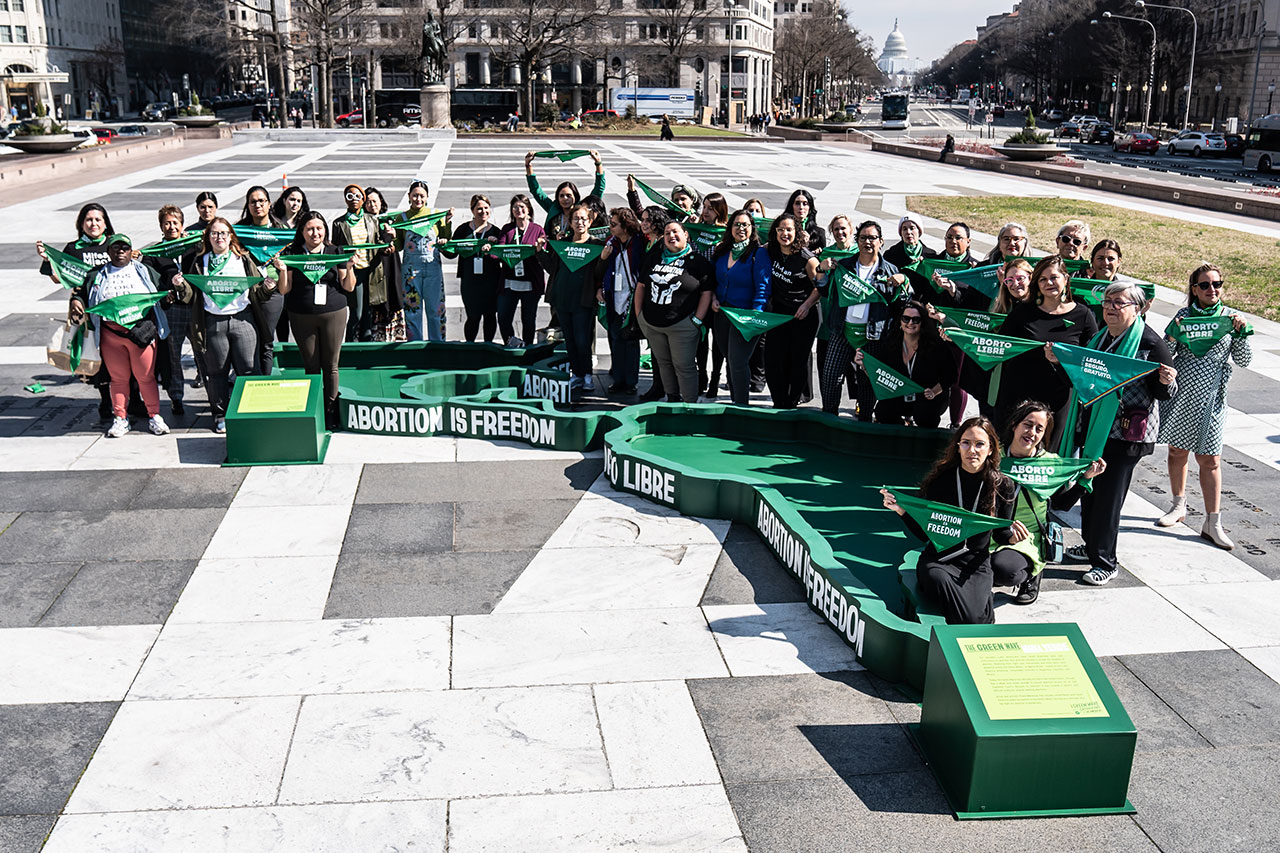
Photo by Dee Dwyer
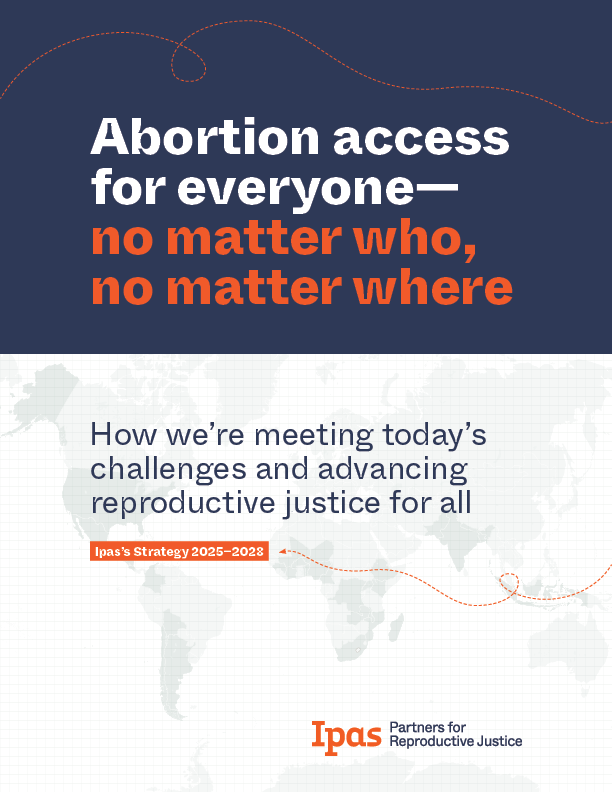
Ipas’s Strategy 2025-2028
As we have evolved into a locally led, globally connected network that seeks to shift power and share leadership, we are explicitly applying reproductive justice and human rights frameworks to our work. In our Ipas Strategy 2025-2028, we outline our comprehensive approach and unique value, mapping out the short-term, long-term and ultimate outcomes we expect to achieve.
Leadership
Our leaders, board members and staff bring deep and diverse experience in public health and policy from around the world.
Building sustainable abortion ecosystems
At Ipas, we’re working with partners to build sustainable abortion ecosystems. Our comprehensive approach works across institutions and communities and recognizes there are multiple factors that influence a person’s ability to access abortion—including individual knowledge and power, community and political support, trained and equipped health systems, and laws and policies that uphold the human rights to health and to bodily autonomy.

Photo courtesy Life Lifters Kenya
Grantmaking
The Ipas Collaborative Fund is rooted in and administered by local Ipas teams in the countries where we work in Africa, Asia and Latin America. We recognize the need for flexible funding to create a truly sustainable abortion ecosystem, so this program supports diverse, local groups to create their own strategies to advance abortion rights.

Ways to get involved
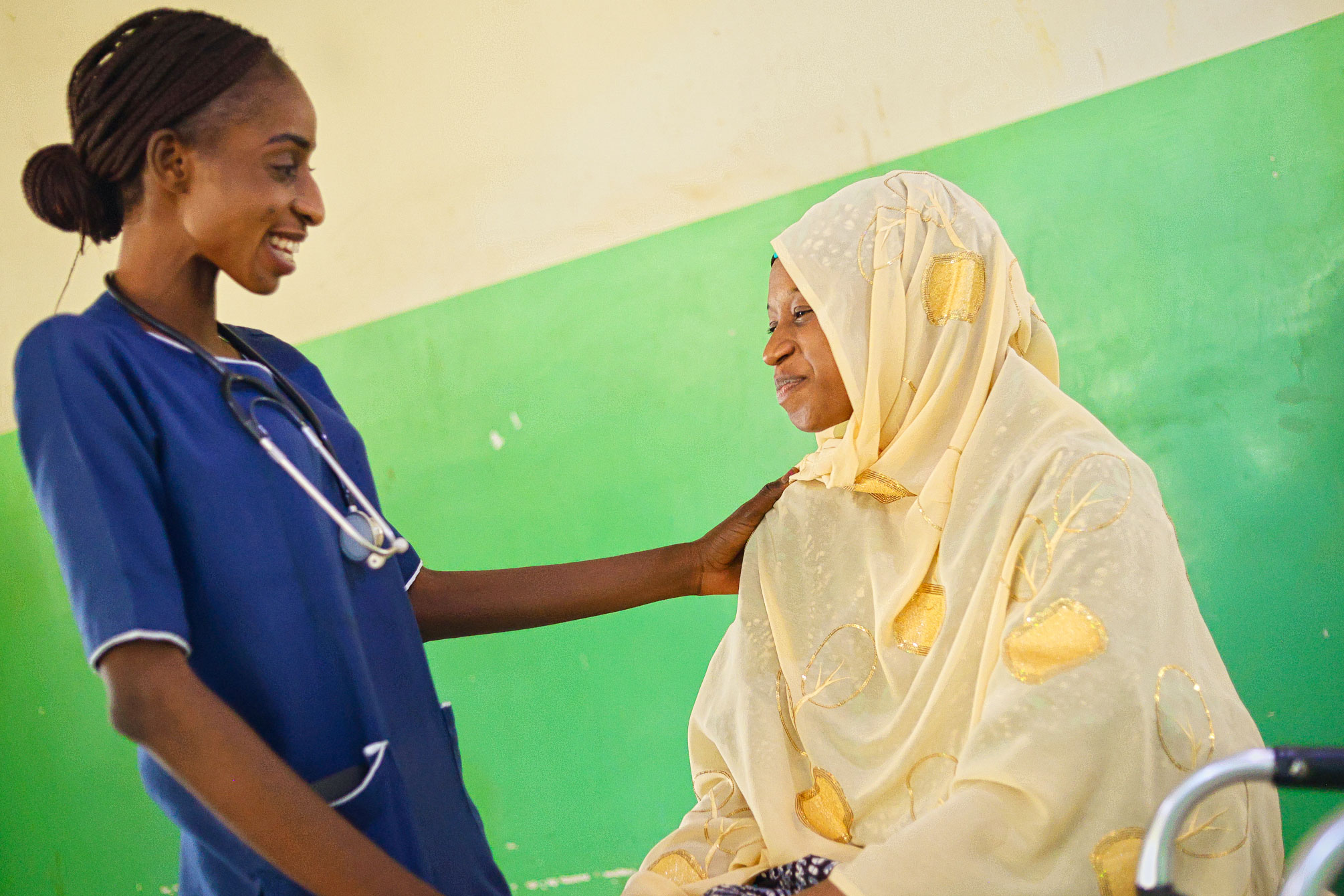
Stories from around our network
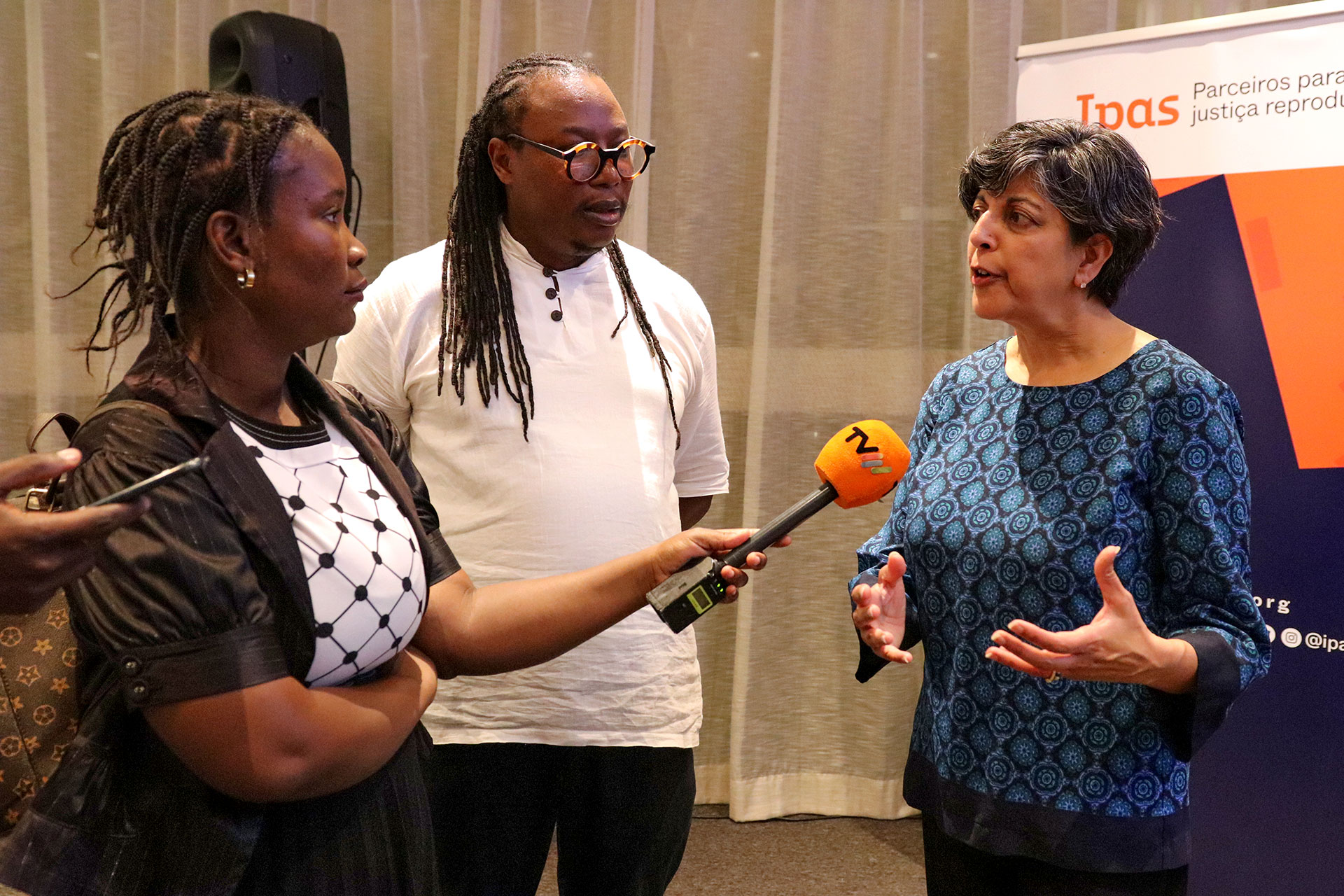
Ipas in the news
Ethics at Ipas
Our Code of Business Ethics and Conduct reflects our core values, is built around eight ethical principles for behavior at Ipas and is supported by Ipas policies and guidance. The code also outlines how Ipas employees and representatives should raise ethical concerns and report suspected violations.
Carbon Reduction Plan
Ipas recognizes the urgency of the climate crisis as a human, environmental, social, and political threat to sustainable development and the fulfillment of human rights. We strive to embody principles and practices that reflect our commitment to advancing justice in all its forms. This includes examining the carbon footprint of our operations and taking steps across our network to reduce carbon emissions considerably—to achieve Net Zero by 2050.
Policy on Diversity, Equity, and Inclusion
The Ipas Board of Directors strongly affirms its commitment to diversity, equity, and inclusion (DEI). Ipas staff and Board members reflect diverse cultures, experiences, and breadths of knowledge. We respect, value, appreciate, and honor the unique heritage, characteristics, experiences, and perspectives that all bring to meeting our mission. Ipas strives to include a multiplicity of voices in the execution of its work and make opportunities accessible to everyone.
The Board will ensure that its membership is diverse, and that Ipas staff have a work environment that is free from all forms of inequity, discrimination, and harassment. In partnership with the Chief Executive Officer (CEO), the Board will practice the following:
- The Ipas Board Audit and Risk Committee will receive biannual reports on internal anti-racism work and other DEI efforts from management and will share concerns and suggestions with management and Board leadership.
- The Board, through the Executive Committee, will include specific DEI objectives for the CEO and as part of their annual evaluation of CEO performance. When hiring a CEO, the Board will actively pursue DEI best practices to ensure a fair selection process.
- The Board Governance and Leadership Committee will continue to ensure that Board members are diverse and representative of the communities that Ipas serves and that all voices are heard.
- The Board Governance and Leadership Committee will periodically review this policy and will recommend any necessary changes to the full Board.
Approved by Board of Directors March 26, 2021
To learn more about philanthropic opportunities with Ipas, please contact the Individual Giving team at [email protected].